Graduated MCP Authorization Models That Let Developers Ship Fast Without Handing Security Teams a Blocker Role
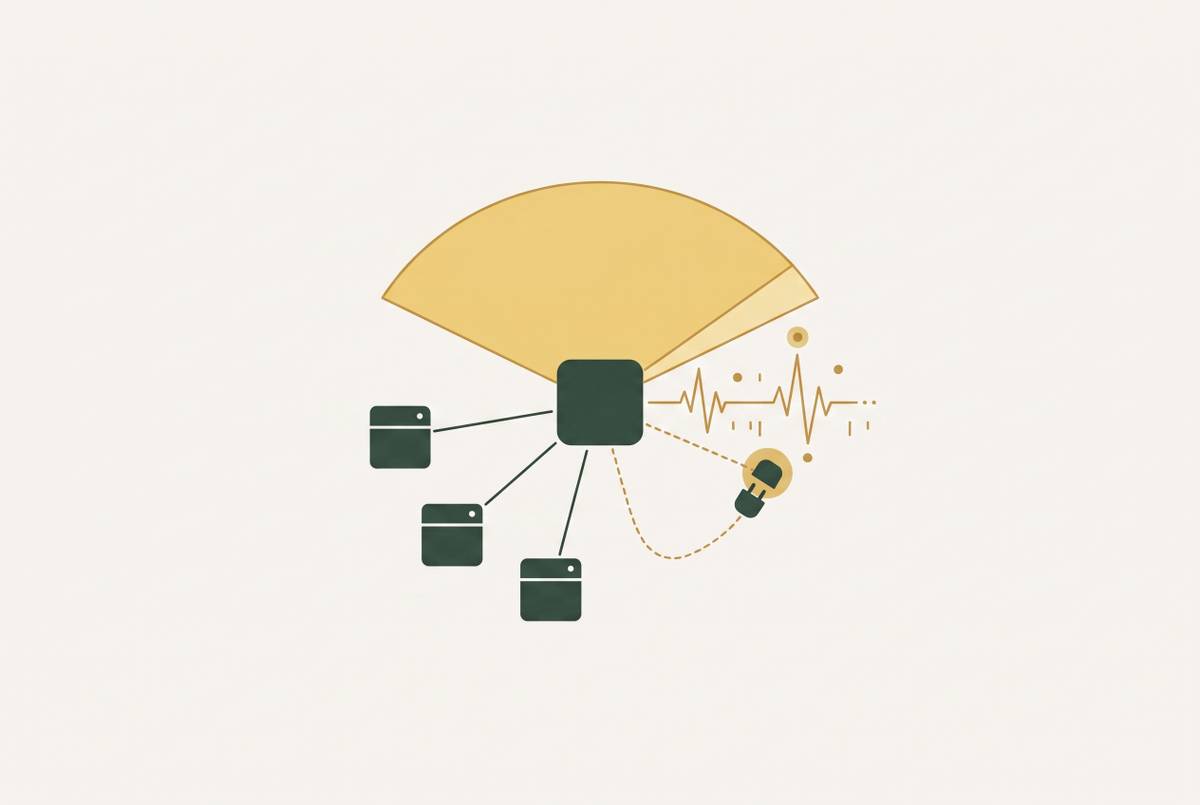
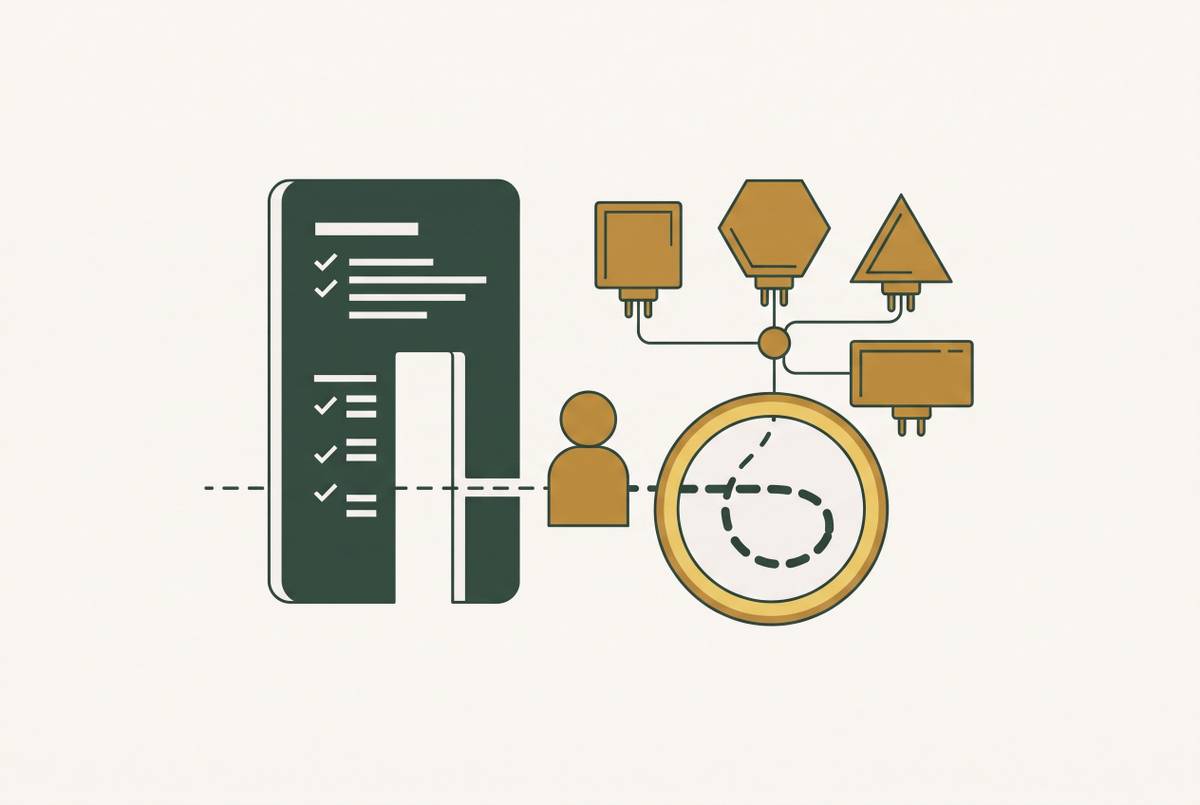
Tiered MCP checks let low-risk tools ship fast while guarding destructive actions.
Marcus Tetteh
Section
16 stories in AI Risk & Compliance.
Tiered MCP checks let low-risk tools ship fast while guarding destructive actions.
Claude and GPT-4 can investigate MCP threats, but scoped controls must contain them.
Endpoint telemetry and identity correlation catch the MCP traffic scanners can't.
Six MCP attack classes give buyers questions that expose a relabeled CASB.
Static rules miss how agents misuse authorized tools during execution.
Runtime detection catches MCP threats that authentication and scanning alone cannot stop.
Live agent monitoring and pre-execution controls beat patching alone.
Enterprises need six specific controls to detect and block MCP threats before agents execute them.
Security teams must map and govern MCP connections before agents act on enterprise data unsafely.
Enterprises must treat AI agents as access-controlled systems to pass audits.
Enterprises deploying AI agents must audit and govern external tool connections by December 2027.
Five threat classes demand controls built into design, vetting, identity, and execution phases.
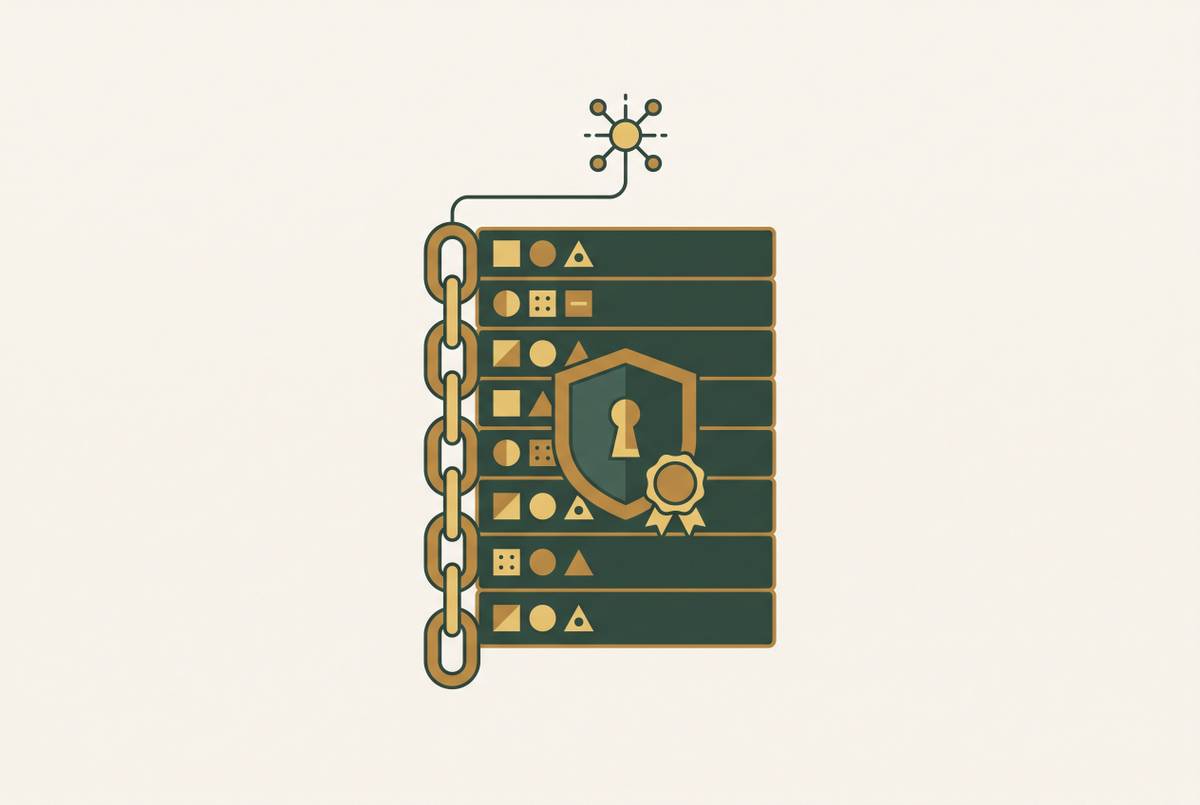
Regulators now require tamper-proof audit trails that most AI deployments cannot yet produce.
Enterprises face new liability gaps when AI agents inherit their builders' permissions.
AI agents bypass traditional security tools, requiring new controls to prevent data theft.
Agents with tool access turn prompt injection from text confusion into system compromise.